1874 saw what later became known as the 'Bernera Riot'. Over the years the crofters of Bernera had had their common ground moved several times, each move resulting in poorer and poorer land. In 1874 they finally refused to move again and Donald Munro, Chamberlain of Lewis, together with two men, came out with the intention of evicting 57 crofting families. The three men were promptly chased off, to their harm and distress.
A few days later, Angus Macdonald, said to be one of the ringleaders, was seen in Stornoway and arrested by the police. People in Stornoway came out to see what was going on and allegedly became rowdy. The Sheriff was called and he read the Riot Act to disperse the crowd. Angus was taken to jail.
Word got back to Bernera and 150 men of the island rose up and marched the 15 miles to Stornoway, accompanied by a piper, to air their grievances with the then owner of Lewis, Sir James Matheson.
Four men were identified as ringleaders of the activities on Bernera, and Angus Macdonald, Norman Macaulay and Iain Macleod were summoned to court in Stornoway. They were aptly defended by Inverness lawyer Charles Innes and were acquitted by the end of the day.
The Bernera Riot was the first in a series of Land Wars which consequently led to the Crofters’ Holdings (Scotland) Act being passed in 1886, which granted security to crofters and established a court to mediate on land disputes.
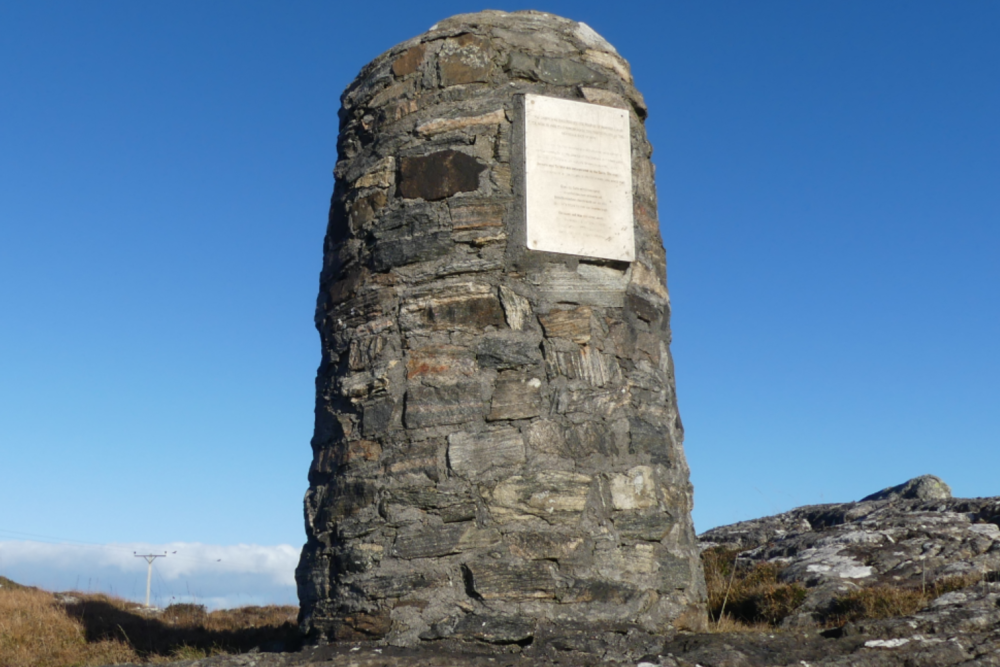
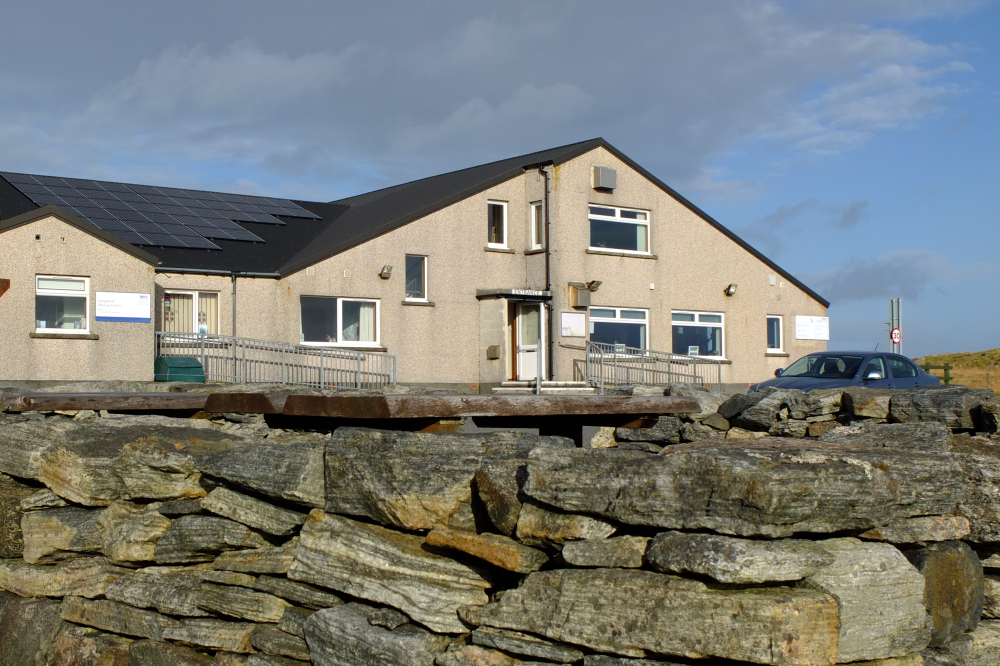
A Cairn commemorating the event has been erected at the junction to Tobson, incorporating stones from every croft in Bernera and Tir Mor. The coping (top) stones are taken from the houses of the three men who stood trial.